Purpose First
A useful product must solve a clear pet-care need="pl. We organize our assortment around practical routines rather than novelty alone.
Our approach starts with a simple belief: pet technology should make everyday care more dependable without making life more complicated. We prioritize clear product information, practical safeguards, responsible setup, and support that stays available when questions arise.

We believe customers should understand what a product is designed to do, how it should be used, and where its limitations begin. Good decisions are built on useful details rather than exaggerated promises.
A useful product must solve a clear pet-care need="pl. We organize our assortment around practical routines rather than novelty alone.
We prioritize understandable information about sizing, intended use, operation, maintenance, compatibility, and important precautions.
The correct choice depends on your pet's size, age, health, temperament, environment, and comfort with the product.
Safe performance depends on correct setup, routine cleaning, regular inspection, timely charging, and replacement of worn parts.
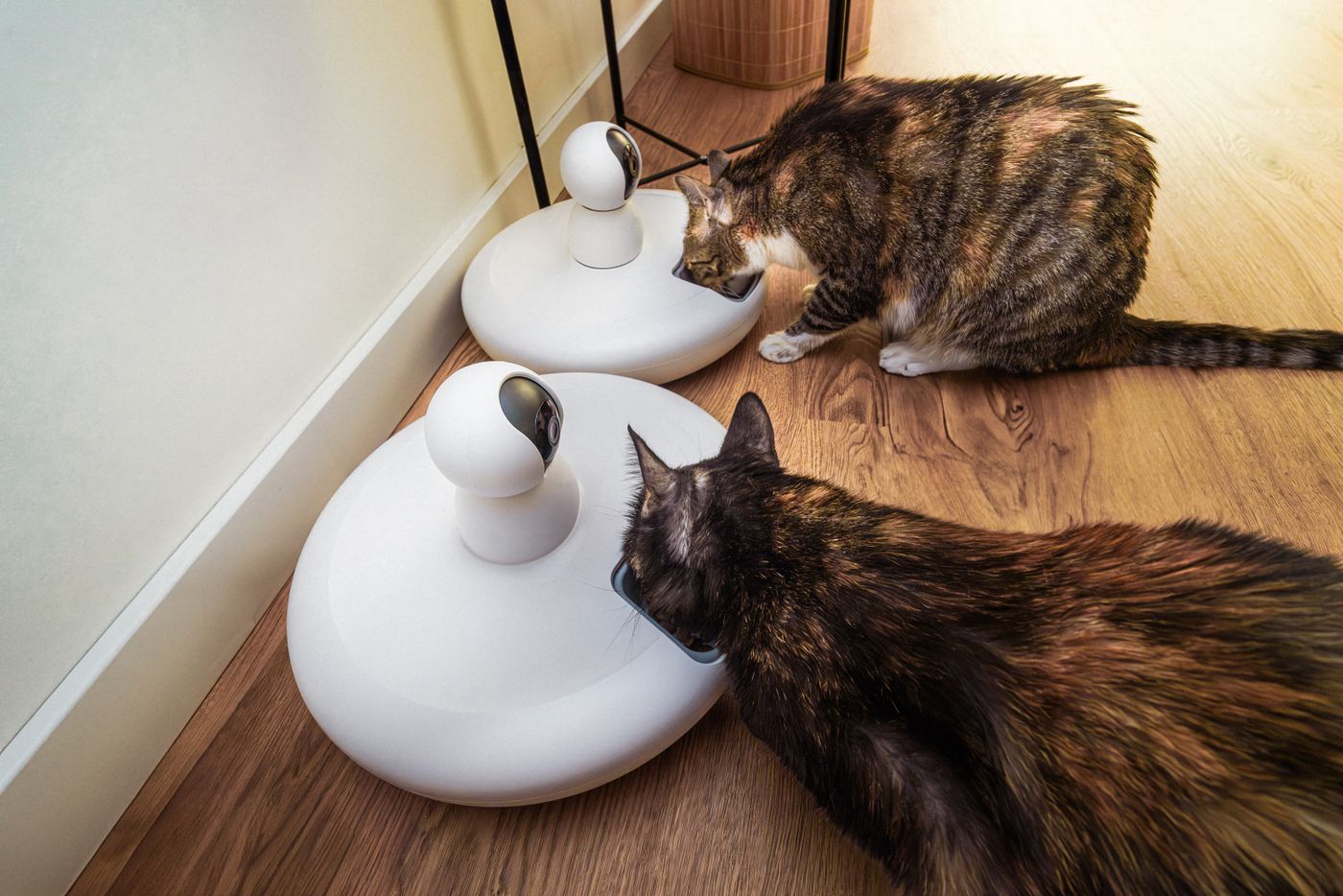
Connected products can add useful visibility and consistency, but they should complement attentive pet care rather than replace it.
Automatic feeders still require food-level checks. Water fountains still require cleaning. Trackers still require secure attachment and sufficient battery power. Cameras still require responsible placement and a reliable connection.
Our assortment covers many different use cases. The considerations below guide how we present products and help customers evaluate the right option.
We identify whether a product is designed for feeding, hydration, hygiene, tracking, monitoring, identification, training, containment, visibility, home safety, or vehicle travel.
Capacity, dimensions, pet-size guidance, range, battery life, power source, connectivity, water resistance, materials, and included components are considered where applicable.
We look for clear setup requirements, warnings, maintenance expectations, supervision guidance, and reasonable limitations for the product type.
Customer questions and reported issues help identify where product details or use guidance may need clarification.


Smart care works best when technology and attention work together.
Each PetLink collection has its own quality and safety priorities. Use these starting points alongside the instructions supplied with your specific product.
Prioritize food-safe contact surfaces, suitable capacity, stable placement, cleaning access, reliable power, and routines that prevent stale food or water.

Confirm network compatibility, range, attachment security, battery condition, location permissions, account privacy, and the limits of positioning technology.

Select the correct size and method, introduce equipment gradually, inspect attachment points, avoid prolonged pressure, and supervise whenever the product instructions require it.
A thoughtful setup is only the beginning. These habits help keep smart pet products dependable throughout everyday use.

Review the complete instructions, warnings, charging guidance, sizing information, app permissions, and maintenance schedule before introducing the product to your pet.
Allow your pet to observe, smell, and approach new equipment at a comfortable pace. Do not force interaction with a device that causes visible stress.
Check cords, batteries, closures, bowls, moving parts, mounting hardware, straps, clips, gates, and barriers for wear, looseness, damage, or contamination.
Keep manual feeding, fresh water, physical identification, secure leads, and other essential alternatives available if power, connectivity, or automation becomes unavailable.
Discontinue use if a product becomes damaged, overheats, develops an unusual odor, operates unpredictably, causes discomfort, or no longer remains securely fitted.
Set up and test the product before depending on it for an essential routine. Your pet should be supervised during the first uses while you confirm correct operation and comfort.
Do not plug it in, charge it, install it, or allow your pet to use it. Keep the packaging and take clear photographs of the product, shipping box, and affected area.
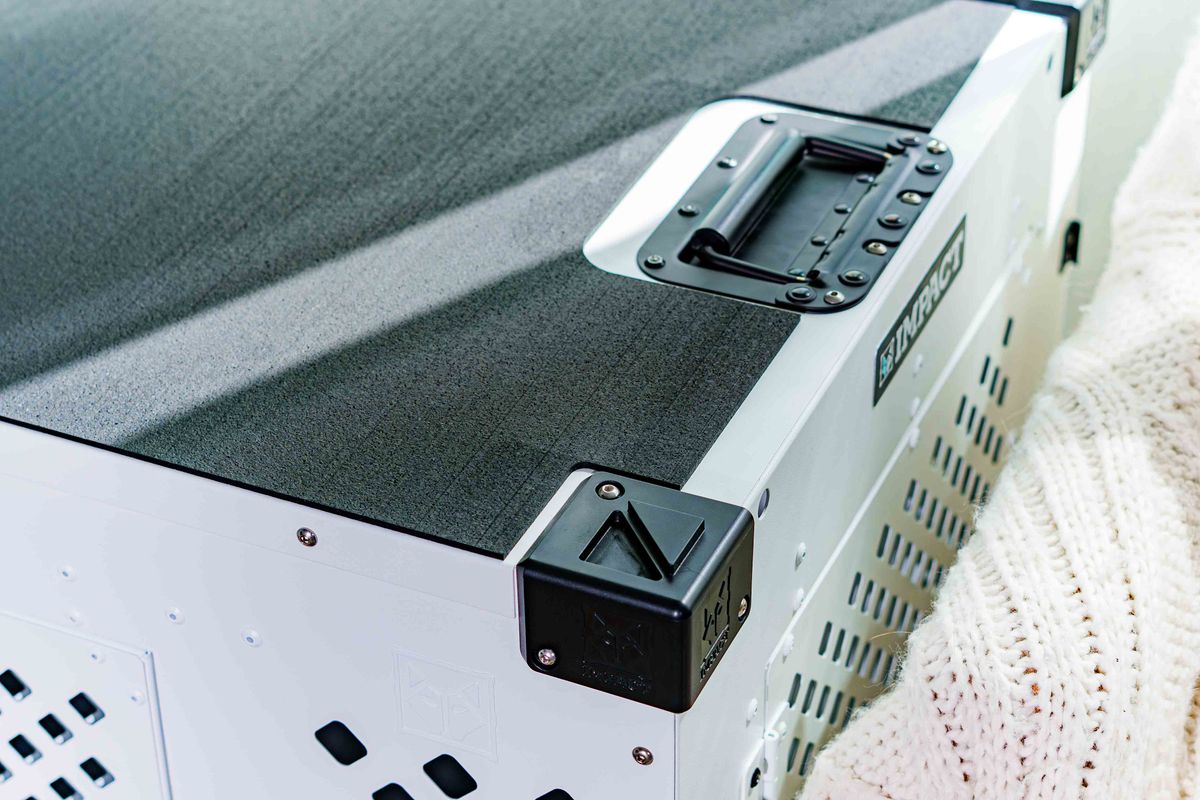
Product-specific instructions should always take priority over general guidance.
No. Smart pet products can support routines and provide useful information, but they cannot account for every change in your pet, home, connection, power supply, or environment. Regular observation remains essential.
Use the measurements and weight guidance shown for the individual product. Measure your pet and installation area carefully, and allow for comfortable movement. Do not rely on breed name alone.
No positioning technology is perfect. Accuracy and update speed can be affected by buildings, terrain, signal coverage, device placement, battery condition, subscription status, and the specific technology used.
Perform a quick visual and functional check before regular use. Products exposed to movement, chewing, moisture, outdoor conditions, pulling, impact, or frequent cleaning may require more frequent inspection.
Stop using the product and inspect the fit, placement, settings, and condition. If discomfort, irritation, unusual behavior, or a health concern continues, seek advice from a qualified veterinarian or appropriate pet-care professional.
If you need help understanding product information, reporting damage, or resolving an order-related concern, our support team is available 24/7.
Email support@petlink.lol
Phone +1 (618) 555-0173
Business Address
805 Christie
Ottawa, IL 61350
United States